Author’s Note:
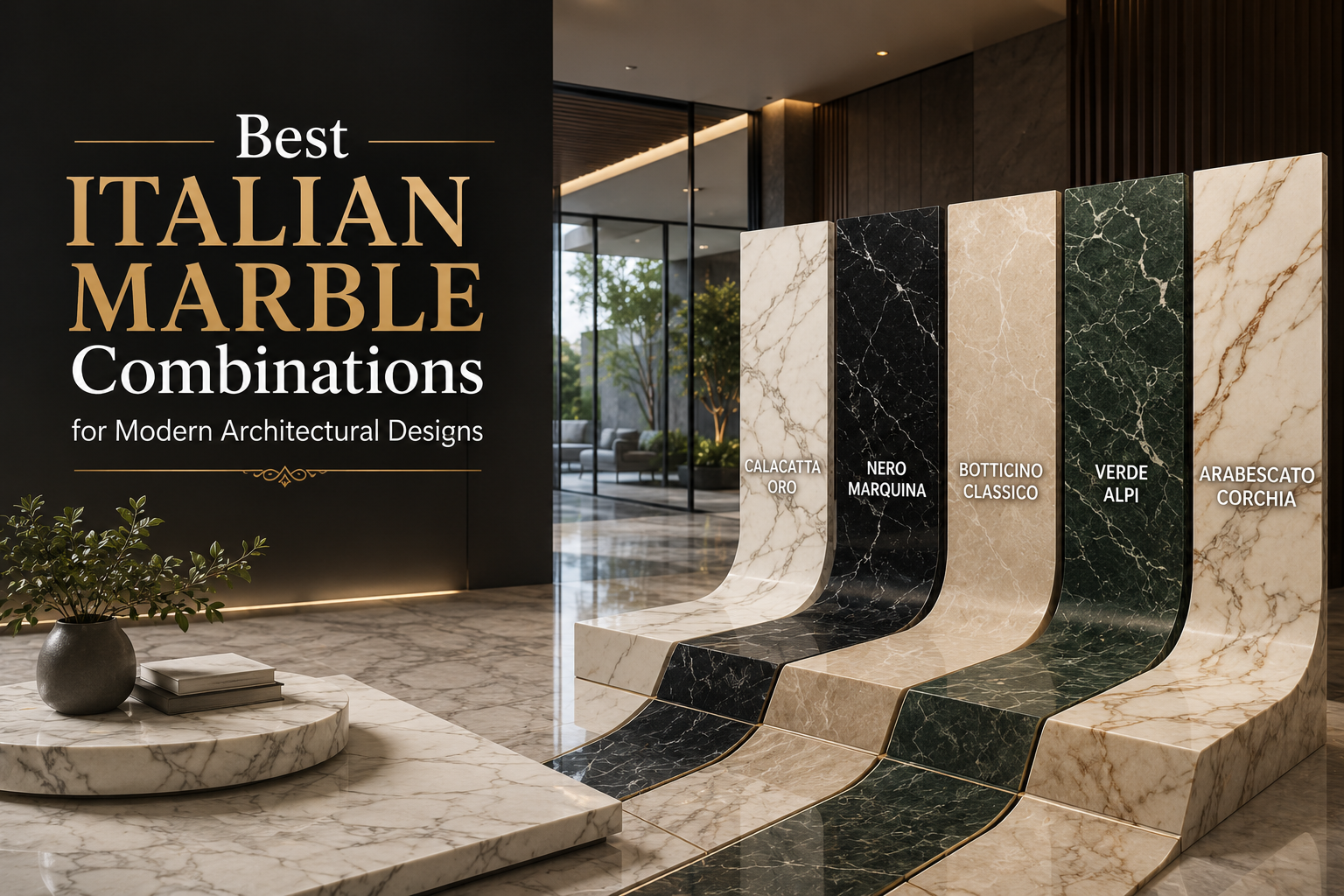
Modern architecture emphasizes clean lines, balanced materials, and timeless aesthetics. Italian marble has become a cornerstone of contemporary design because of its versatility, elegance, and ability to complement a wide range of materials and color palettes. Choosing the right marble combinations can significantly enhance the visual appeal of residential and commercial projects while maintaining a refined and cohesive design language. This article explores some of the best Italian marble combinations that architects and designers use to create sophisticated modern spaces.
Table of Contents
- Introduction
- Popular Italian Marble Combinations for Contemporary Spaces
- Designing with Contrast, Texture, and Natural Materials
- Practical Considerations for Large-Scale Projects
- Conclusion
- FAQs
Introduction
Modern architecture is built on the principle of creating spaces that are elegant, functional, and visually balanced. Material selection plays a vital role in achieving this objective, and few natural stones offer the versatility and sophistication of Italian marble. From luxury villas and premium apartments to commercial towers and hospitality projects, Italian marble continues to define high-end interiors through its timeless beauty and distinctive natural veining.
Architects today rarely rely on a single material to create luxurious environments. Instead, they combine marble with complementary finishes such as wood, glass, metal, and natural stone to produce interiors that feel both contemporary and inviting.
The use of Imported Italian marble allows designers to create refined combinations that elevate every corner of a project while maintaining a consistent architectural identity.
Popular Italian Marble Combinations for Contemporary Spaces
One of the greatest strengths of Italian marble is its ability to harmonize with various design styles and material palettes. Selecting the right combination depends on the intended atmosphere, lighting conditions, and overall architectural concept.
Italian Marble and Natural Wood
The warmth of natural wood balances the cool elegance of marble, making this one of the most popular combinations in luxury homes.
This pairing works exceptionally well in:
- Living rooms
- Bedrooms
- Executive offices
- Luxury villas
- Hotel suites
Wood introduces warmth and texture, while marble adds sophistication and visual depth.
Marble and Glass
Glass enhances the reflective qualities of marble, allowing interiors to feel brighter and more spacious.
This combination is frequently used in:
- Grand entrance lobbies
- Staircases
- Luxury bathrooms
- Commercial reception areas
Large windows combined with marble flooring create interiors that maximize natural light while emphasizing premium finishes.
Marble with Metal Accents
Brass, bronze, matte black steel, and brushed stainless steel complement Italian marble beautifully.
These materials are commonly incorporated into:
- Door frames
- Lighting fixtures
- Furniture
- Decorative partitions
- Bathroom fittings
The contrast between natural stone and metallic finishes creates a contemporary luxury aesthetic.
Neutral Colour Palettes
Modern architecture increasingly favors calm, neutral interiors that remain timeless.
Many designers prefer Italian grey marble in India because its subtle tones work effortlessly with white walls, wooden furniture, and minimalist décor.
Grey marble creates a sophisticated backdrop that allows other architectural elements to stand out without overwhelming the overall design.
Designing with Contrast, Texture, and Natural Materials
Creating successful marble interiors involves much more than selecting attractive stone. Architects carefully balance contrast, proportion, and texture to ensure each space feels harmonious.
Feature Walls and Statement Areas
Italian marble is often used to create dramatic focal points.
Popular applications include:
- Television walls
- Double-height lobby walls
- Fireplace surrounds
- Reception counters
- Dining feature panels
Book-matched marble patterns transform these areas into architectural highlights.
Large-Format Flooring
Modern projects increasingly utilize Premium Italian marble slabs for expansive flooring installations.
Large slabs provide several benefits:
- Minimal visible joints
- Seamless appearance
- Greater visual continuity
- Enhanced luxury appeal
This approach is especially effective in premium residences, luxury hotels, and corporate headquarters.
Layering Natural Materials
Combining marble with textured finishes such as timber veneers, natural stone cladding, leather upholstery, and woven fabrics creates interiors with greater depth and character.
Rather than allowing marble to dominate every surface, architects often use it strategically to highlight key spaces while softer materials provide balance.
This layered approach creates environments that feel luxurious yet comfortable.
Practical Considerations for Large-Scale Projects
Beautiful design must also be practical. Large residential and commercial developments require careful planning to ensure that marble combinations remain consistent throughout the project.
Many professionals choose Italian marble for builders because it offers reliable processing quality and excellent compatibility with contemporary architectural designs.
When planning large-scale projects, architects should consider:
- Material availability
- Batch consistency
- Slab dimensions
- Surface finish
- Installation methods
- Long-term maintenance
Equally important is choosing the right supplier.
Partnering with the Best marble company in India ensures access to authentic marble varieties, consistent quality standards, professional technical guidance, and dependable delivery schedules.
This collaboration enables developers to maintain design continuity across multiple buildings, amenity spaces, and future project phases while preserving the intended luxury aesthetic.
Conclusion
Italian marble remains one of the most versatile and elegant materials available for modern architecture. Its ability to combine effortlessly with wood, glass, metal, and neutral color palettes allows architects to create interiors that are timeless, sophisticated, and visually balanced.
Whether used for feature walls, seamless flooring, luxury bathrooms, or grand entrance lobbies, thoughtful marble combinations elevate both residential and commercial spaces.
By selecting complementary materials, planning installations carefully, and working with experienced suppliers, architects and developers can create distinctive environments that reflect exceptional craftsmanship and enduring luxury.
FAQs
1. Which materials pair best with Italian marble?
Natural wood, glass, metal, and neutral finishes complement Italian marble exceptionally well in modern interiors.
2. Why is grey Italian marble popular in contemporary architecture?
Its subtle appearance blends easily with minimalist designs while maintaining a luxurious and timeless aesthetic.
3. Are large-format marble slabs better for modern projects?
Yes. They reduce visible joints, create seamless surfaces, and enhance the overall visual impact.
4. Can Italian marble be used in both residential and commercial spaces?
Absolutely. It is widely used in luxury homes, hotels, offices, retail spaces, and hospitality projects.
5. Why is choosing the right marble supplier important?
A reliable supplier ensures authentic materials, consistent quality, professional support, and timely delivery for successful project execution.

How Italian Marble Creates a Signature Identity for Luxury Real Estate Projects
Why Every Luxury Architect Recommends Italian Marble for Statement Spaces