
Table of Contents
- Introduction
- Step 1: Locating the Marble Quarry
- Step 2: Extraction – How Marble Is Taken Out
- Step 3: Block Transportation and Global Sourcing
- Step 4: Cutting, Polishing, and Processing
- Step 5: Quality Inspection and Grading
- Step 6: From Factory to Distributor
- Step 7: Selection by Homeowners and Architects
- Step 8: Installation at Your Home
- Conclusion
- FAQs
1. Introduction
Marble is one of the most timeless, elegant, and luxurious natural stones in the world. Its journey from deep within the Earth to becoming a beautiful part of your home involves several detailed and highly specialized processes. Each slab carries millions of years of geological history and hundreds of hours of expert craftsmanship. Whether you love the bold patterns of exotic stones or the soft veining of premium varieties like the ones sourced from the Best marble company in India, understanding how marble reaches your home can help you appreciate its value even more.
2. Step 1: Locating the Marble Quarry
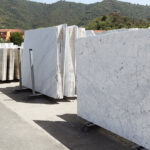
The journey begins at the quarry, often located in mountainous regions rich in natural mineral deposits. Countries such as Italy, Turkey, Greece, Spain, India, and Vietnam are world-famous for their marble reserves.
Geologists and quarry engineers examine the stone quality, color consistency, and geological strength before marking extraction points. Famous varieties like Michelangelo marble in India and other imported stones come from quarries that are centuries old.
3. Step 2: Extraction – How Marble Is Taken Out
Extracting marble is a highly technical process requiring precision and advanced machinery. The extraction typically involves these techniques:
• Diamond Wire Saw Cutting
Diamond-embedded wires cut through massive stone formations with extreme accuracy.
• Controlled Blasting
In some regions, small controlled explosives are used to loosen marble blocks without causing cracks.
• Channeling Machines
These create deep cuts around the block to detach it safely.
The goal is always the same: extract large, damage-free blocks weighing several tons.
4. Step 3: Block Transportation and Global Sourcing
Once extracted, huge blocks are transported using cranes, loaders, and heavy trucks. If the stone is imported, the blocks are shipped in containers to international ports.
Countries like Italy, Turkey, Iran, and Portugal supply premium marble varieties—such as Italian grey marble in India, which is sought after for its elegance and modern appeal.
5. Step 4: Cutting, Polishing, and Processing
After reaching the processing plant, each block undergoes a series of steps to become usable slabs:
• Block Cutting
Giant gang saws slice the block into slabs with thickness typically ranging between 16mm and 20mm.
• Reinforcement
Fiberglass mesh and resin are applied to strengthen the slab.
• Polishing
Automated polishing lines give the marble its glossy, luxurious finish.
• Finishing Options
- Honed
- Leathered
- Brushed
- Sandblasted
Slabs like Statuario marble in India require extremely careful handling and precision polishing to preserve their brightness and veining.
6. Step 5: Quality Inspection and Grading
Every slab is inspected for:
- Color uniformity
- Vein patterns
- Thickness precision
- Structural integrity
- Surface finish
Grading helps determine where the slab will be used—luxury homes, commercial spaces, or decorative applications.
7. Step 6: From Factory to Distributor
After grading, slabs are packed and transported to wholesalers or premium marble suppliers. High-quality imported stones are supplied through networks like the Best imported marble supplier in India, ensuring customers receive authentic and certified material.
These suppliers maintain proper climate-controlled storage to prevent cracks and stains.
8. Step 7: Selection by Homeowners and Architects
This is where the journey becomes personal.
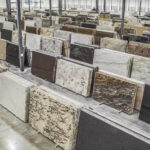
Homeowners, architects, and interior designers visit marble galleries or display yards to select the perfect slab. Since marble is a natural stone, every slab is unique. People often choose marble based on:
- Color tone
- Vein movement
- Aesthetic compatibility with interiors
- Durability needs
- Budget
Live viewing, lighting conditions, and surface texture also influence the final choice.
9. Step 8: Installation at Your Home
The final step is installation, which must be done by trained professionals. It includes:
• Cutting & Edge Profiling
Water-jet cutters or bridge cutters shape marble according to design needs.
• Surface Preparation
The floor or wall must be leveled, cleaned, and waterproofed.
• Laying the Marble
Adhesives, mortar, or mechanical fixing methods are used depending on the design.
• Grouting & Finishing
Seamless installation with matching grout lines brings out the final beauty of the stone.
• Sealing
A sealant protects the marble from stains and enhances longevity.
Once installed, your space transforms—luxury, brightness, and elegance come to life.
10. Conclusion
Marble’s journey from the quarry to your home is truly remarkable. It combines nature’s artistry with human craftsmanship. The next time you admire the shine of your marble flooring or the dramatic veins of your countertop, remember that it represents thousands of years of natural formation and a highly skilled transformation process.
Whether you’re choosing classic whites, bold blacks, or trendy greys, selecting the right supplier ensures durability and authenticity. Premium suppliers like the Best imported marble supplier in India provide stones that undergo strict quality control and ethical sourcing.
11. FAQs
1. How long does marble extraction and processing take?
The entire journey—from quarry extraction to polished slabs—typically takes several weeks to months, depending on logistics and processing.
2. Why do different marble slabs have different patterns?
Marble is a natural stone formed from limestone under intense pressure over millions of years. Variations in minerals create unique patterns, colors, and veins.
3. Is imported marble better than Indian marble?
Imported marble is often chosen for luxury interiors due to its color purity, dramatic veining, and polished finish. However, several Indian marble varieties are equally durable and elegant.
4. How do I know if my marble is original or artificial?
Original marble has irregular veins, natural pores, and a cool touch. Artificial marble usually looks too uniform and lacks natural imperfections.
5. Does marble require regular maintenance?
Yes. Periodic sealing, gentle cleaning, and avoiding harsh chemicals help maintain its shine and prevent staining.
Best Marble Colors for Modern Luxury Interiors
Why Architects Prefer Harsh Marble & Granites for Luxury Projects